BUY BUILD SUBSCRIBE
Contact us for more details
WANT TO BUY?
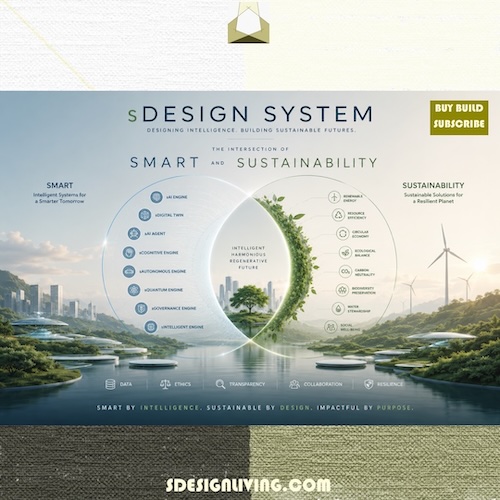
sINTERSECTION OF SMART & SUSTAINABILITY
WHAT? INTERSECTION OF SMART & SUSTAINABILITY
A Unified Intelligent Smart Sustainability Operating System (sSMART SUSTAINABILITY OS)
The intersection of:
SMART
- sAI Engine
- sDigital Twin
- sAI Agent
- sCognitive Engine
- sAutonomous Engine
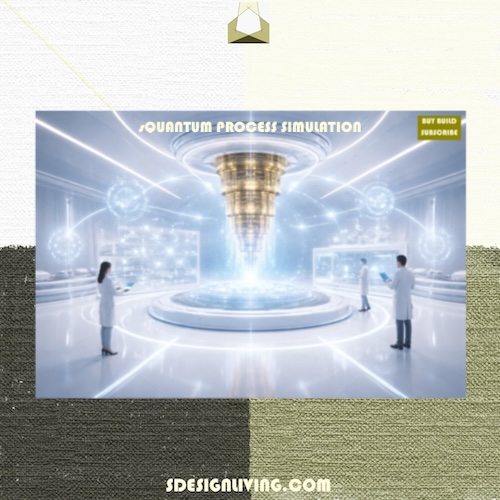
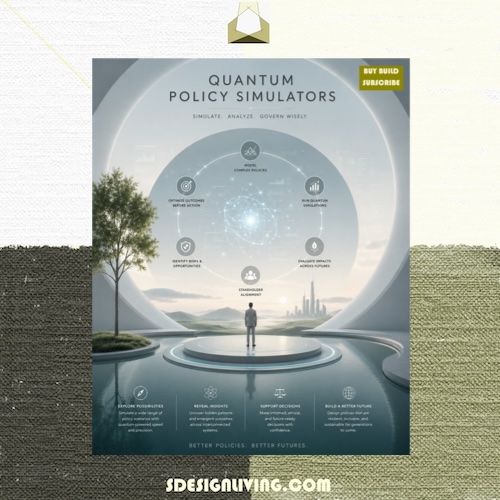
- sQuantum Engine
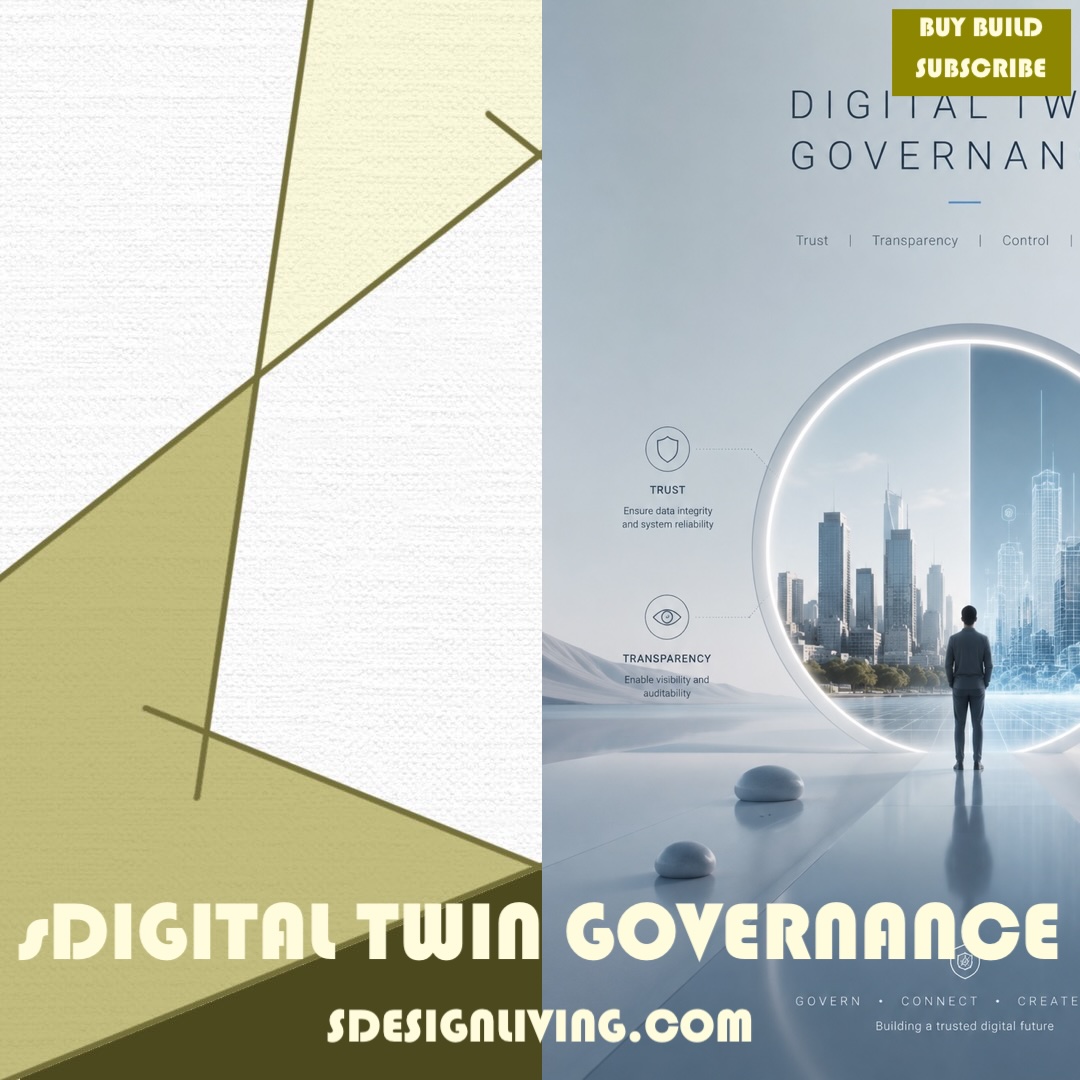
- sGovernance Engine
- sIntelligent Engine
and
Sustainability
- Environmental Sustainability
- Economic Sustainability
- Social Sustainability
- Governance Sustainability
creates an integrated platform called:
sSMART SUSTAINABILITY OS™
SELECT SIZE
WHY? INTERSECTION OF SMART & SUSTAINABILITY
Current Problems
Environmental
- Climate change
- Carbon emissions
- Water scarcity
- Waste generation
- Biodiversity loss
Economic
- Resource inefficiency
- Rising operational costs
- Supply chain disruptions
Social
- Health inequalities
- Education gaps
- Workforce shortages
Governance
- Poor ESG reporting
- Compliance complexity
- Lack of transparency
SELECT COLOUR
SMART + SUSTAINABILITY FRAMEWORK
SMART LAYER
sAI Engine
sDigital Twin
sAI Agent
sCognitive Engine
sAutonomous Engine
sQuantum Engine
sGovernance Engine
sIntelligent Engine
SUSTAINABILITY LAYER
Environment
Economy
Society
Governance
OPTIMIZED OUTCOMES
ENGINE ARCHITECTURE
- sAI ENGINE
-
sDIGITAL TWIN
-
sAI AGENT
-
sCOGNITIVE ENGINE
-
sAUTONOMOUS ENGINE
-
sQUANTUM ENGINE
-
sGOVERNANCE ENGINE
-
sINTELLIGENT ENGINE
SELECT NUMBER
EXAMPLE
Smart Sustainable City
Inputs:
IoT
- Air quality sensors
- Water meters
- Smart grids
- Waste sensors
Data Sources
- Weather
- Energy systems
- Transportation
- Health systems
AI Analysis
Findings:
Energy Waste:
18%
Water Loss:
11%
Traffic Emissions:
22%
Digital Twin Simulation
Scenario:
Add 5,000 EV chargers
Prediction:
Carbon Reduction:
14%
Energy Demand:
+8%
Autonomous Optimization
Actions:
- Adjust grid load
- Shift charging schedules
- Optimize public transport
Results:
Carbon Reduction:
21%
Energy Cost Reduction:
13%
Congestion Reduction:
17%