BUY BUILD SUBSCRIBE
Contact us for more details
WANT TO BUY?
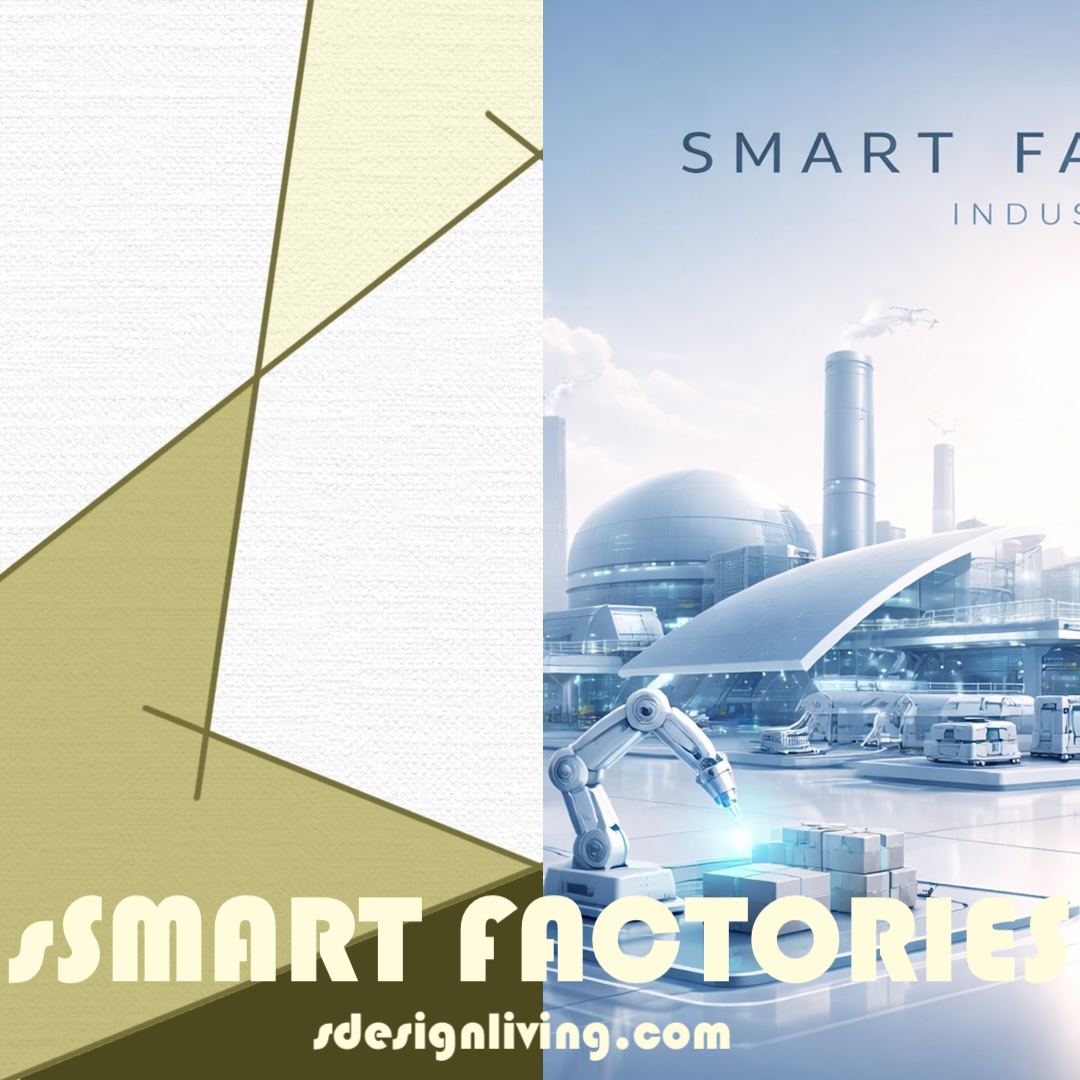
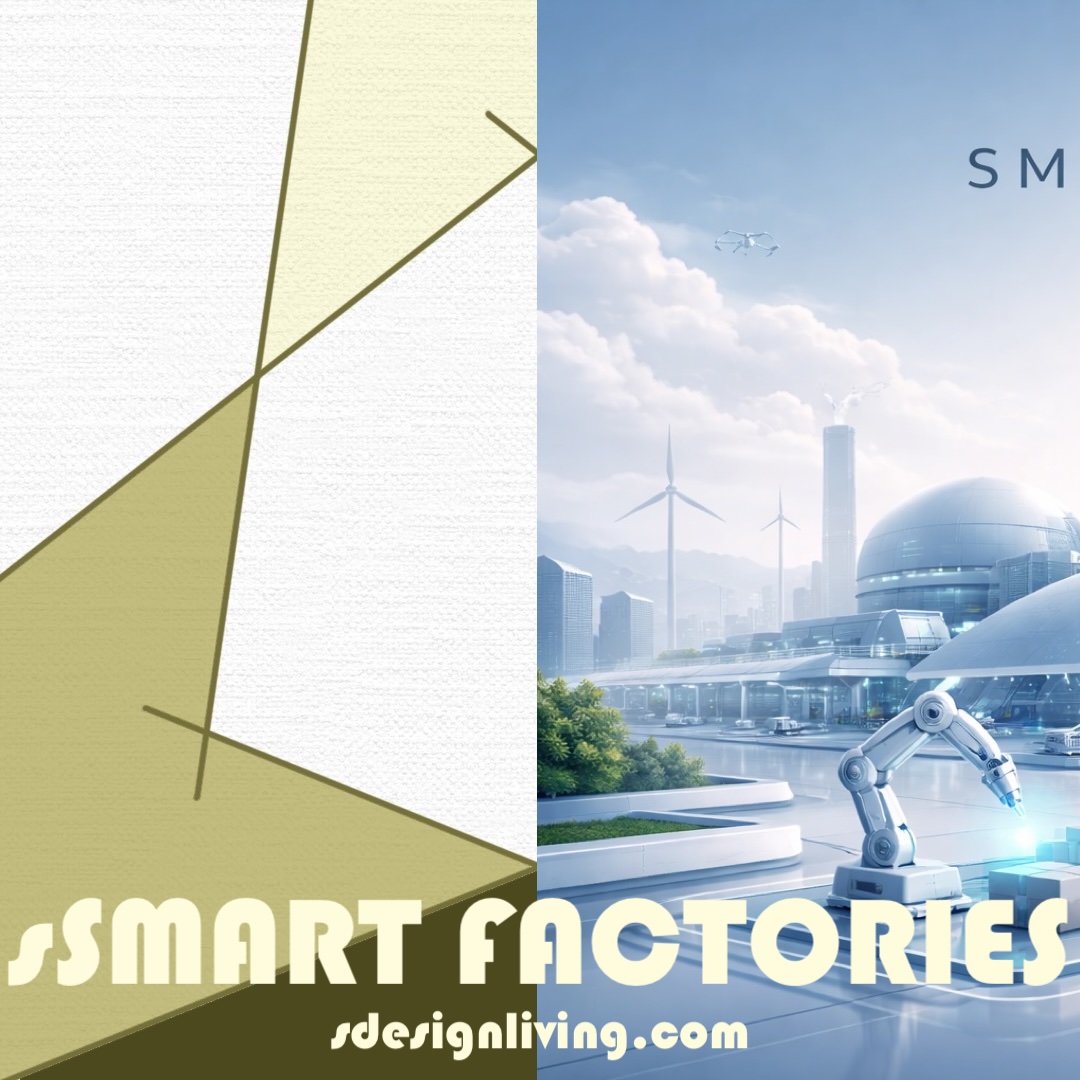
sSMART FACTORIES
WHAT
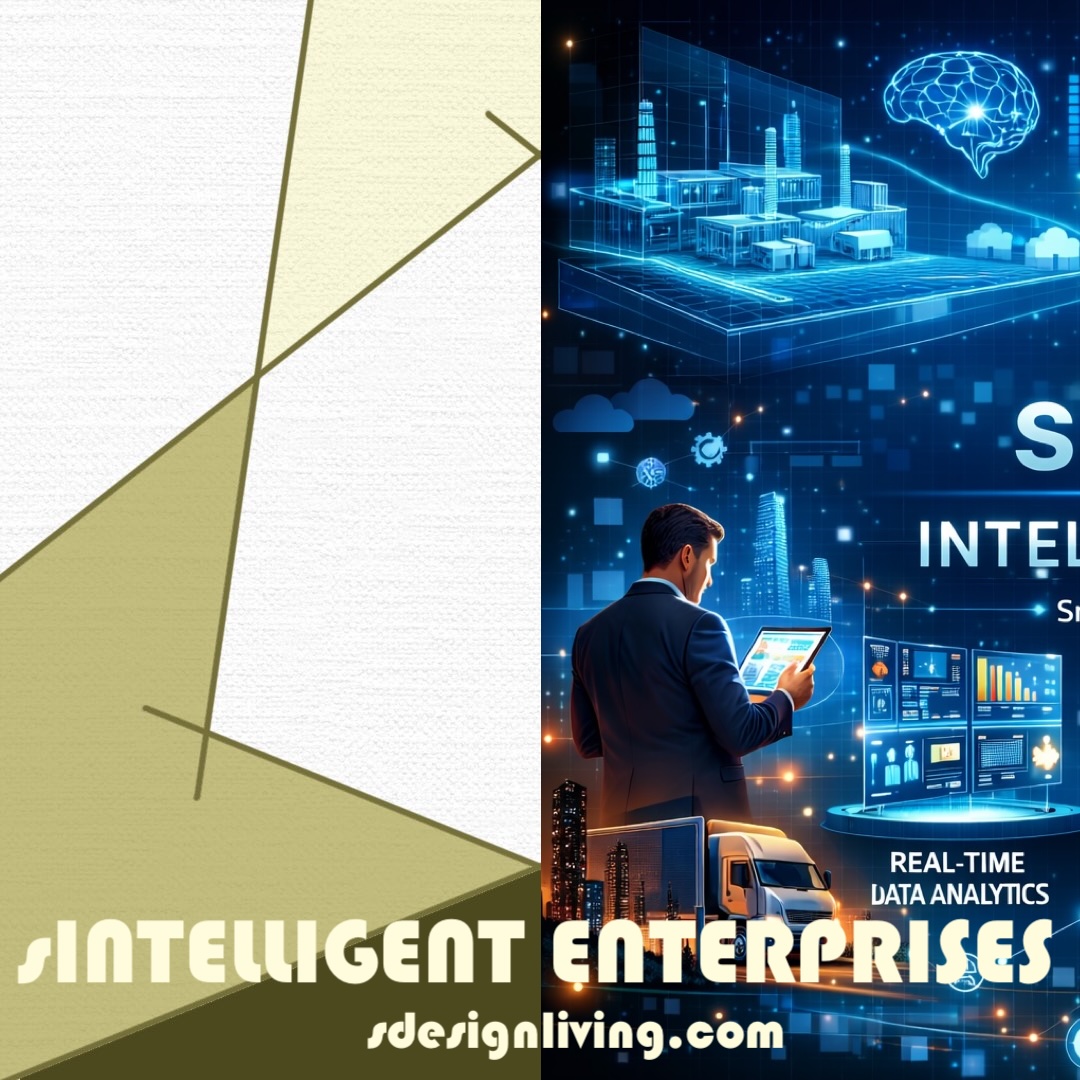
sINDUSTRY Smart Factories are intelligent, connected, and autonomous industrial systems where machines, people, energy systems, and supply chains are integrated through AI, Digital Twins, IoT sensors, advanced analytics, and autonomous decision systems.
They operate as data-driven ecosystems that continuously:
- Monitor operations in real time
- Optimize production and energy use
- Predict failures and maintenance needs
- Reduce waste, emissions, and resource use
- Improve workforce productivity and mental efficiency
The factory becomes a self-learning system that evolves using AI and simulation models.
SELECT SIZE
WHY
Smart factories are developed to achieve the three core sINDUSTRY objectives.
Objective 1
Maximize returns, efficiency, and sustainability
Smart factories improve:
- production efficiency
- energy efficiency
- resource efficiency
- cost reduction
- ROI
while reducing:
- waste
- energy consumption
- CO? emissions
Objective 2
Drive measurable social and environmental impact
Smart factories enable:
- lower emissions
- circular material flows
- safer workplaces
- improved workforce wellbeing
- sustainable energy usage
Objective 3
Design the future of industry
Using AI prediction, simulation, and Digital Twins, smart factories model:
- future production demand
- energy scenarios
- supply chain disruptions
- workforce needs
- sustainability targets
This allows industries to design a resilient future rather than react to problems.
SELECT COLOUR
HOW
Smart factories are built through six system layers.
Layer 1 — Data & Sensor Layer
Layer 2 — Digital Twin Layer
A virtual model of the factory.
Layer 3 — AI & Intelligence Layer
Layer 4 — Autonomous Operations Layer
The Autonomous Engine automatically adjusts operations.
Layer 5 — Governance & Compliance Layer
Layer 6 — Dashboard & Decision Layer
SELECT NUMBER
SMART FACTORY EXAMPLE
Example: Automotive Manufacturing Plant
Before smart factory:
- high machine downtime
- inefficient energy use
- reactive maintenance
- limited production visibility
After sINDUSTRY deployment:
- predictive maintenance reduces downtime by 65%
- AI scheduling increases output 30%
- energy optimization reduces consumption 28%
- CO? emissions reduced 60%
- workforce productivity increases 20%